The Kamada Group is aware that we are engaged in the manufacture and sale of food products. Food safety is important to us. We would like to establish the following policy:
Established: October 1, 2024
Revised: May 12, 2025
KAMADA SOY SAUCE Inc.
Kamada Foods Internaitonal, Ltd.
CEO Takeo Kamada
Washoku (Japanese cuisine) was registered with UNESCO’s Intangible Cultural Heritage as a Japanese traditional food culture in 2013. It continues to attract worldwide attention as a healthy food style.
Dashi is indispensable for Washoku.
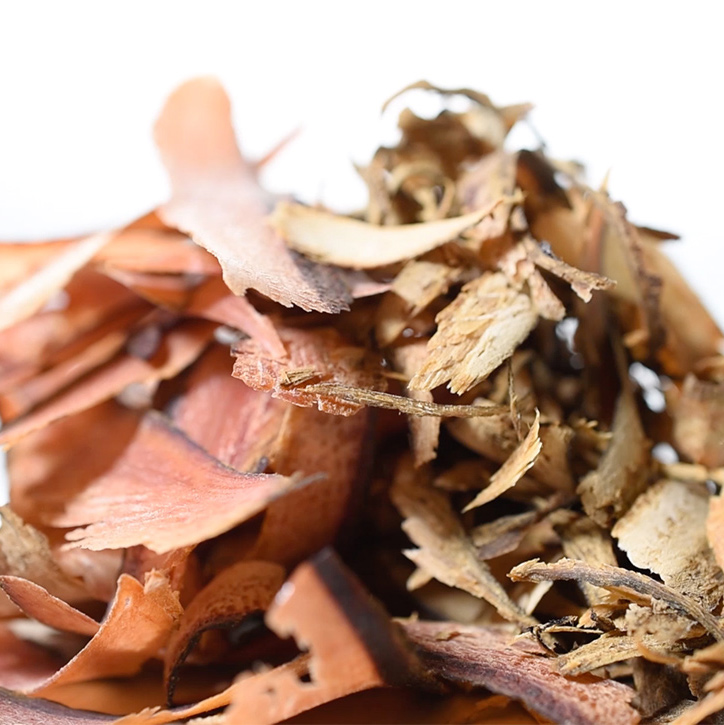
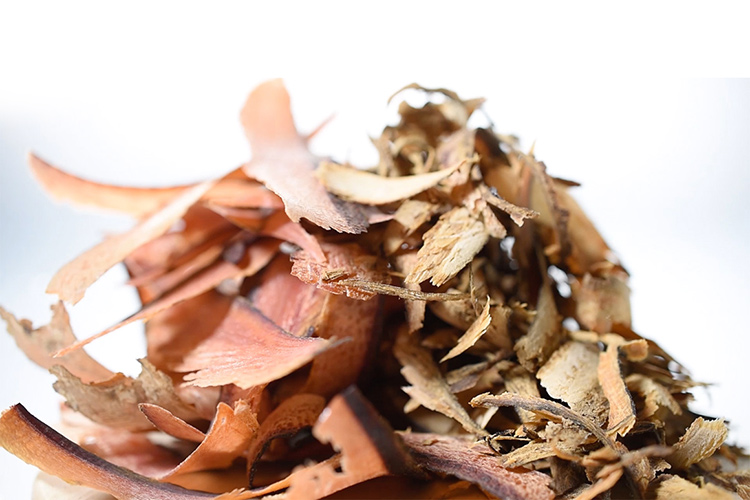
Dashi is a fundamental part in Japanese cooking. It gently enhances umami, taste and flavor of the ingredients.
We use carefully selected high-quality ingredients that pair well with our soy sauce. All are sourced from trusted providers.
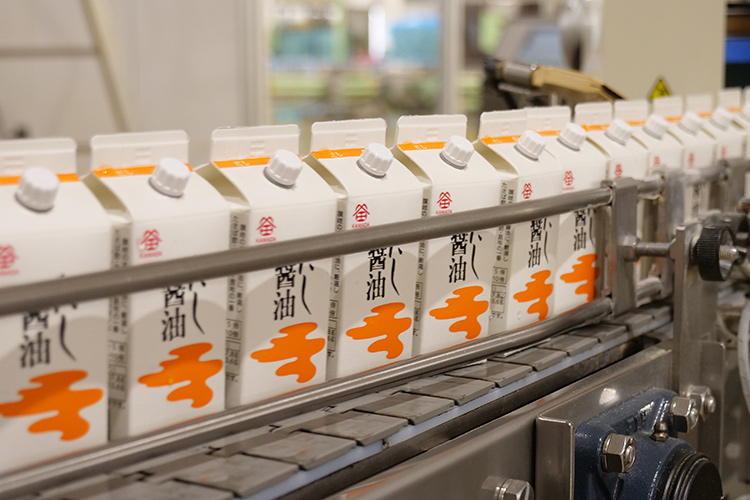
We have always valued the spirit of "make the best quality soy sauce, serve society and earn trust." We continue to produce soy sauce products while responding to trend changes in food culture. We introduced state-of-art equipment and management, as well as establishing stable quality and supply control systems. We take particular care with quality control.
Quality control is one of our top priorities. We operate an independent quality management system based on the principles of ISO 9001 to ensure continuous quality improvement and customer satisfaction (CS). This system is positioned as our own declaration of conformity.
Furthermore, we have obtained FSSC 22000 certification, an international food safety management standard, and strengthened our integrated management framework covering all processes from product design to manufacturing and shipment. We consider the assurance of food safety to be our highest priority.
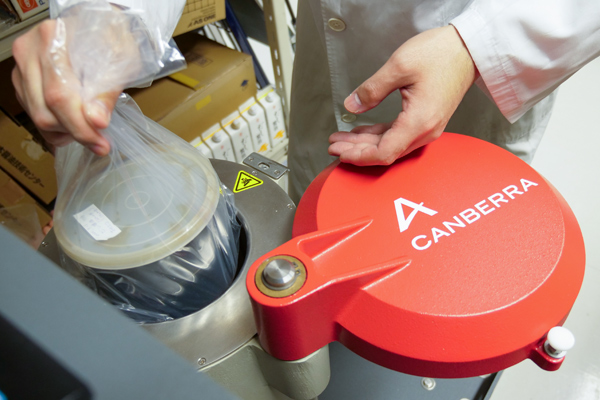
To ensure that our products contain no radioactive materials, our ingredients and products are tested daily for radioactivity by inspectors who have passed the Radioactive Material Measurement Proficiency Test. We only ship products that meet or exceed these strict standards.
We also have acquired HACCP certification, which is assessed by a third-party, at the Honmachi and Minato factories. We are committed to continued progress in food safety.
We continue to work together as one to achieve the great taste, safety, security and stable supply.
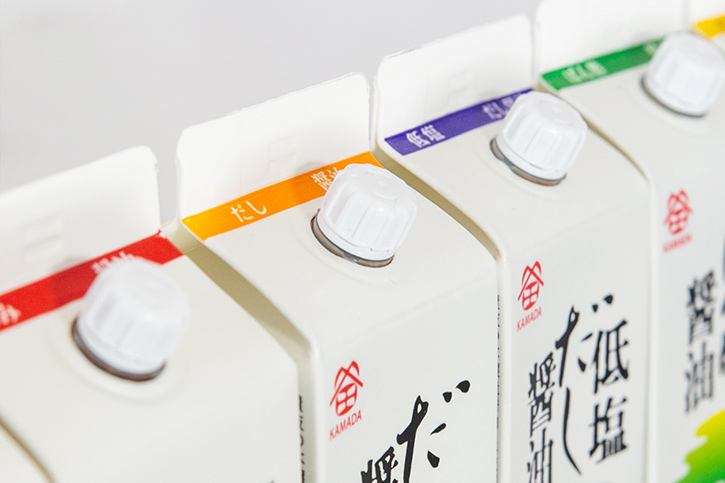
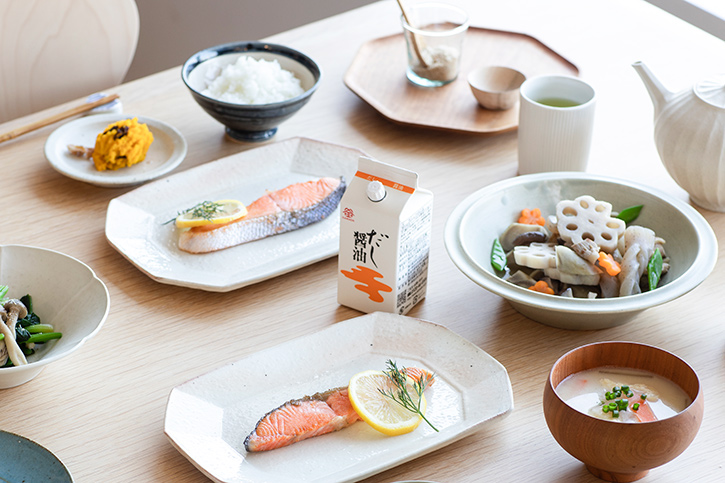
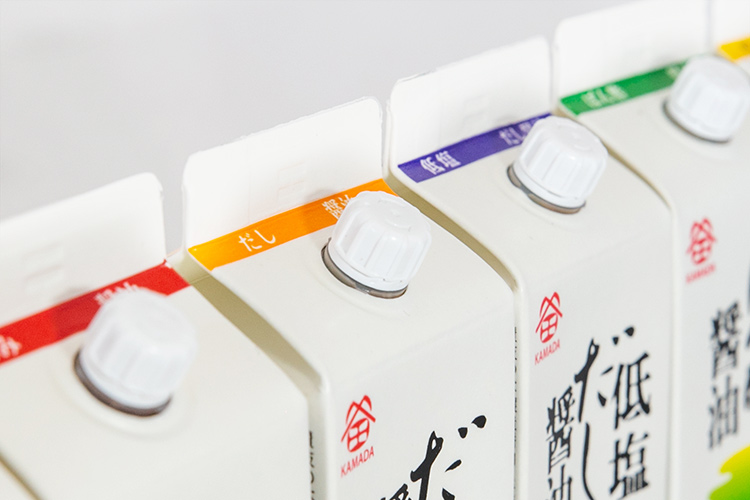
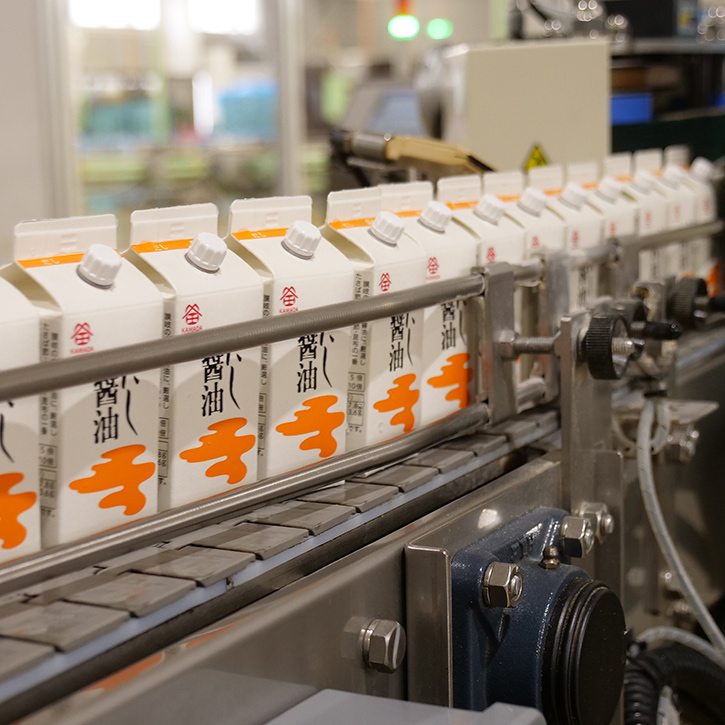
The first paper carton, developed in 1987, are now very popular. When the glass and PET bottles were still the mainstream, paper cartons spread nationwide as an epoch-making product.
Five years later, we developed the food industry’s very first paper carton with a spout cap.
We continued its development by adding a 200ml paper carton with a new spout cap and a 500ml with a one-touch spout cap to our product line.
Our paper cartons that reduce environmental load from transport to disposal are highly valued around the world.
We have obtained and are operating under the FSSC22000, an internationally recognized standard for food safety, at our Honmachi and Minato factories.
Certification obtained on :
June 22, 2025:Honmachi Factory
July 30, 2025:Minato Factory
Certification body: Perry Johnson Registrars, Inc.
FSSC (Food Safety System Certification) 22000 is based on ISO22000, an internationally recognized standard for food safety management systems, and is structured to include even stricter management items.
A third-party organization certifies that a higher level of food safety management has been achieved and that systems have been put in place to deliver safe food to customers.
At our factories producing paper carton products, we have acquired HACCP certification by third-party assessment. We continue to improve on our food safety.

Date of certification:
March 11, 2019 (Honmachi Factory)
February 7, 2008 (Minato Factory)
Certifying body: Japan Food Certification Organization
HACCP is an acronym for “Hazard Analysis and Critical Control Point.”
It is a system for scientific analyzation and predicting biological, chemical, and physical hazards that may be present in food beforehand. The system constantly controls and records the processes by which they can be eliminated (or reduced to a safe level), in all steps, from receipt of raw materials to manufacturing and shipping.
KAMADA SOY SAUCE Inc. established its Quality Management System and obtained ISO 9001 certification in March 2002.
After operating the management system for over 20 years, we believe that the objectives and principles have become thoroughly ingrained within the company and have been established as a mature set of procedures.
Therefore, as of March 13, 2026, we voluntarily relinquished our ISO 9001 certification and adopted a self‑declaration of conformity for our Quality Management System, which is operated internally.
In our future activities, we will strive for greater flexibility in responding to changes in social conditions and autonomous operations based on internal quality control and safety measures.
KAMADA SOY SAUCE Inc. has been conducting the voluntary radioactivity testing since March 21, 2012.
The voluntary testing is conducted by an internal qualified examiner. The device used for testing “NaI(Tl) scintillation spectrometer” meets the standards indicated in “Method for Testing Radioactive Caesium in Food”, as prescribed by the Japanese Ministry of Health, Labour and Welfare (MHLW).
We set our permissible level as one-fiftieth of the standard value established by the MHLW for general foods. We conduct inspections for every production lot from ingredients to the final products.
No such radiation has been detected in final products since inspections began.